Sri Lanka gets back upper-middle income economy status
The recovery is attributed to revival in tourism, stronger worker remittances, improving external sector performance and a return to economic growth following two years of contraction.
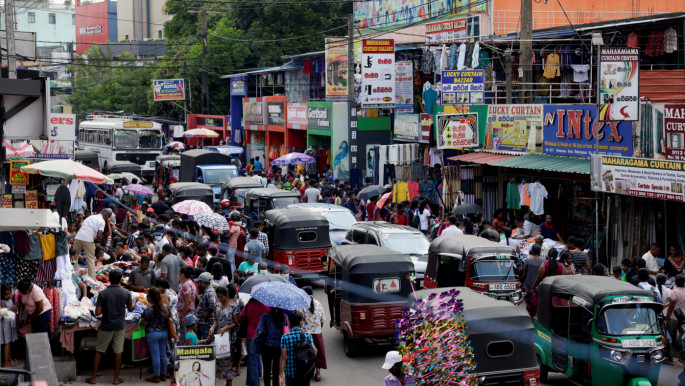
The World Bank has upgraded Sri Lanka's status to an upper-middle income economy due to its expansion in the economy supported by a broad-based recovery across industries and growth in tourism and financial services, reports The Hindu.
Sri Lanka was earlier upgraded to the upper-middle income in 2019 but lost the status within a year, and then experienced an economic crisis.
According to the World Bank's latest income classification update released on Wednesday (1 July), the present status of Sri Lanka came three years after the island nation faced a severe economic crisis that pushed the country to the brink of collapse.
 Keep updated, follow The Business Standard's Google news channel
In its report, describing the country as "a story of recovery", the World Bank said, "Just three years after a severe economic crisis brought the country to the brink of collapse in 2022, real GDP grew by 5% in 2025, driven by a rebound across industries and growth in financial and tourism services."
"The reclassification is a marker of resilience, though the country only narrowly crossed the threshold," it added.
The recovery is attributed to revival in tourism, stronger worker remittances, improving external sector performance and a return to economic growth following two years of contraction.
The reclassification indicates the progress made since then under a far-reaching economic stabilisation effort backed by the International Monetary Fund (IMF), alongside fiscal consolidation, monetary reforms and external debt restructuring.
Earlier, Sri Lanka faced the Easter Sunday attacks in 2019, the Covid-19 pandemic and the subsequent balance-of-payments crisis which culminated in the country's sovereign default in 2022, pushing the economy into its deepest downturn in decades.
The World Bank has four country income classifications: high, upper middle, lower middle, and low based on gross national income per capita estimates from the previous calendar year. The milestone serves as a symbolic marker of the nation's economic rebound following its recent financial crisis.
This year's edition covered 218 countries, and the results will serve as a global reference until the end of June 2027.
Sri Lanka first entered the upper-middle-income category in 2019 before falling back to lower-middle-income status as economic growth slowed and income levels deteriorated amid mounting domestic and external pressures.