



Glass bangles: The revival of a tradition through social media
Glass bangles are now experiencing a quiet revival. Their enduring appeal remains rooted in tradition, but the way people discover, shop for and style them has changed dramatically

For generations, glass bangles have been an essential part of Bangladeshi wardrobes, adding colour, sound and tradition to everyday life. It is the finishing touch to a festive outfit, a familiar sound at weddings, and a tradition passed from one generation to the next.
For decades, women searched for their favourite colours in markets like Chawkbazar's historic Churihatta or New Market. Today, they are just as likely to discover their next set while scrolling through Instagram or Facebook.

Glass bangles are now experiencing a quiet revival. Their enduring appeal remains rooted in tradition, but the way people discover, shop for and style them has changed dramatically. Online businesses, content creators and social media trends have introduced this centuries-old ornament to a new generation, proving that while the marketplace may have shifted from bustling bazaars to digital storefronts, the love for glass bangles has never faded.
A tradition that never went out of style
Glass bangles have been part of Bangladeshi fashion for centuries. Their story is closely tied to Chawkbazar's Churihatta—literally, Churir Haat or bangle market where artisans have traded bangles since the Mughal era. Even today, the historic market remains a destination for shoppers looking for colourful designs such as reshmi, khajkata, bou churi, kashful, mayuri and jaipuri.
 Keep updated, follow The Business Standard's Google news channel
Among them, reshmi churi remains one of the most recognisable. Although often associated with Bangladeshi tradition, these glass bangles have long been imported, primarily from India, while local manufacturers produce a wider range of glass and non-glass bangles.
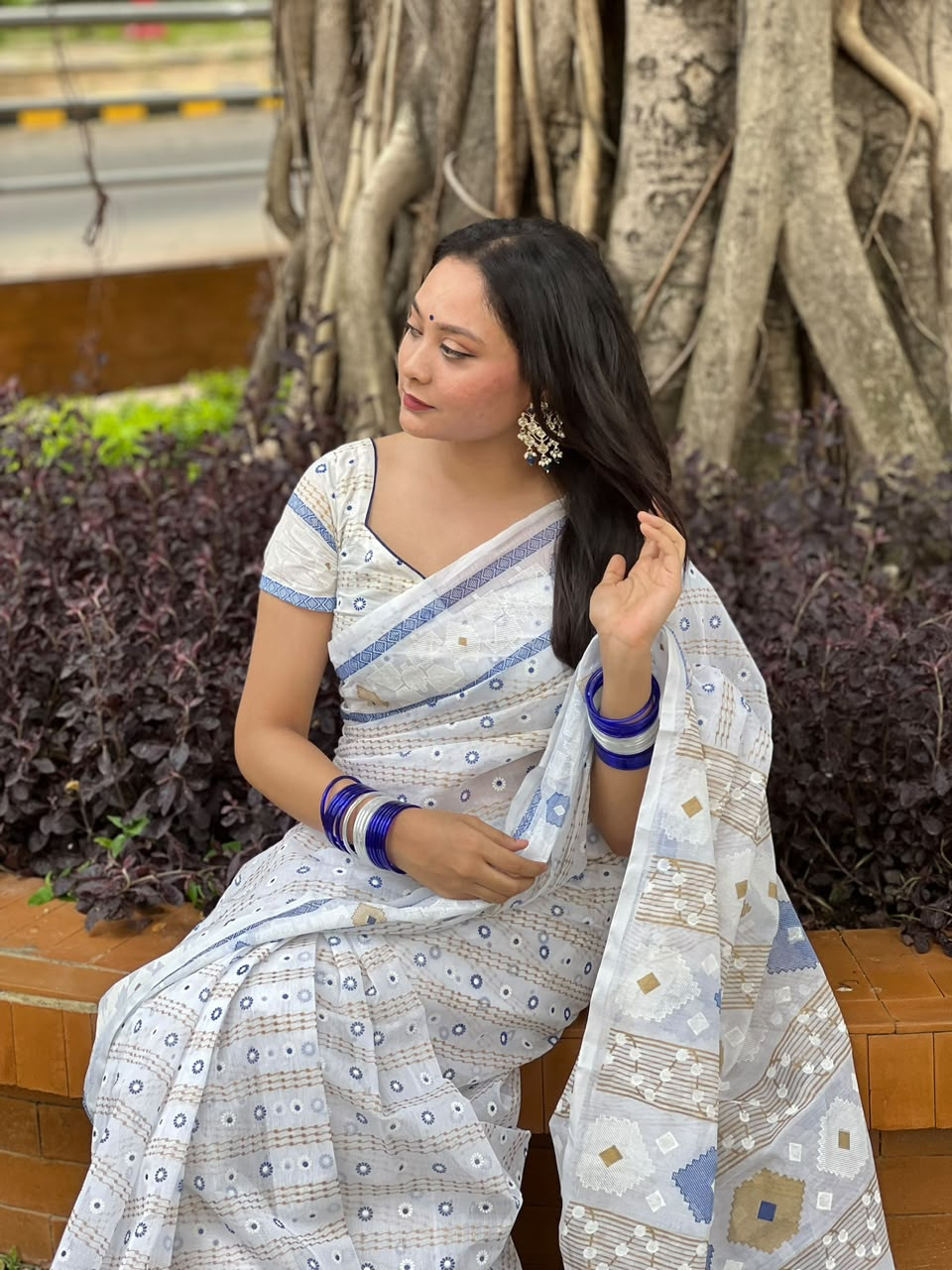
Despite rising prices over the years, demand has remained strong. Their lasting appeal lies in their versatility—glass bangles effortlessly complement everything from jamdani to silk saris to contemporary fusion wear.
When nostalgia revives a trend
If one thread in the current bangle story is heritage holding steady, another is heritage being consciously revived. Designers in Dhaka have begun folding alta — the deep red liquid dye once inseparable from bridal and festival dressing — back into modern bridal editorials, and boutiques are pairing traditional glass bangles with contemporary outfits after years of plastic and synthetic alternatives dominating the market.

The rise of 'Kashmiri bangle'
If glass bangles represent timeless tradition, the "Kashmiri bangle" reflects how quickly fashion trends now spread online.
The stacked metal bangles, often finished with tiny ghungroo bells and paired with colourful glass bangles, have become one of South Asia's biggest accessory trends in 2026. Their popularity has been fuelled almost entirely by Instagram Reels and TikTok, where styling videos and outfit inspiration have turned them into a must-have festive accessory.

Despite the name, the design has little connection to traditional Kashmiri jewellery. Instead, retailers say it is an older bangle style that found new life after going viral on social media.
The trend has also reached Bangladesh, with local online businesses and Facebook stores offering Kashmiri bangle sets at affordable prices. Their rapid rise highlights how social media is reshaping fashion consumption—turning a centuries-old accessory into a trend that can spread across borders in a matter of weeks.
Online market bridging both worlds
For Bristy, founder of online bangle shop Glam Aura, glass bangles are more than a fashion accessory—they are the foundation of a business inspired by personal passion.
"Ever since I was a child, I have had a special love for glass bangles," she said. "One day, I thought to myself, if I love them so much, why not create a brand of my own? That simple idea became the beginning of Glam Aura."
While today's market is filled with metal, fibre, wooden and plastic bangles, Glam Aura has chosen to specialise in glass. According to Bristy, their enduring appeal lies in their elegance and versatility. "Glass bangles have a unique charm, elegance and cultural significance. They complement almost every outfit, whether traditional or contemporary, and instantly add grace to the wearer's look."
The brand sources its products from trusted manufacturers in Bangladesh and abroad, with every piece undergoing quality checks before reaching customers. Combined with cash-on-delivery and exchange facilities, Bristy says these measures have helped build customer confidence in online shopping.
Today, Glam Aura serves customers across Bangladesh, from students to working professionals and homemakers, offering designs across different price points.

Although social media has fuelled the recent resurgence of glass bangles, Bristy believes the accessory's popularity has always existed. "Our mothers and grandmothers wore them long before social media. They are more than just an accessory—they carry emotional and cultural value for many women."
In her view, digital platforms have not created the demand but have given a timeless accessory renewed visibility, introducing glass bangles to a younger generation while reaffirming their place in contemporary fashion.
Old craft, new consumers
Glass bangles in Bangladesh are no longer defined by a single story. They continue to thrive through heritage markets like Churihatta, where generations of traders have kept the tradition alive, while at the same time finding new audiences through online brands and social media.
Alongside timeless glass bangles, trend-driven styles such as the "Kashmiri bangle" reflect how quickly fashion now evolves in the digital age. Yet the enduring popularity of classic glass bangles suggests that heritage and trend are no longer competing—they are coexisting.
Whether discovered in a centuries-old market or through an Instagram Reel, glass bangles remain a staple of Bangladeshi fashion. The way people buy them may have changed, but their place in everyday style and festive dressing continues to endure.


